Crafted by Nat
Natalia Cuervo.

Interview
"From Chords to Companionship: The Brotherhood of Music.

From Chords to Companionship: The Brotherhood of Music
Playing an instrument offers numerous benefits for elderly people, enhancing cognitive function, memory, and concentration while reducing the risk of dementia. It improves hand-eye coordination, fine motor skills, and posture, promoting physical well-being. Emotionally, music reduces stress, boosts happiness, and provides a sense of purpose. Socially, it fosters connections, combats loneliness, and encourages intergenerational bonding. Learning an instrument at any age stimulates brain plasticity and offers endless enjoyment, making it a rewarding and fulfilling activity for seniors.
Sunday Nights with the Guitar Club: A Lifelong Bond Through Music
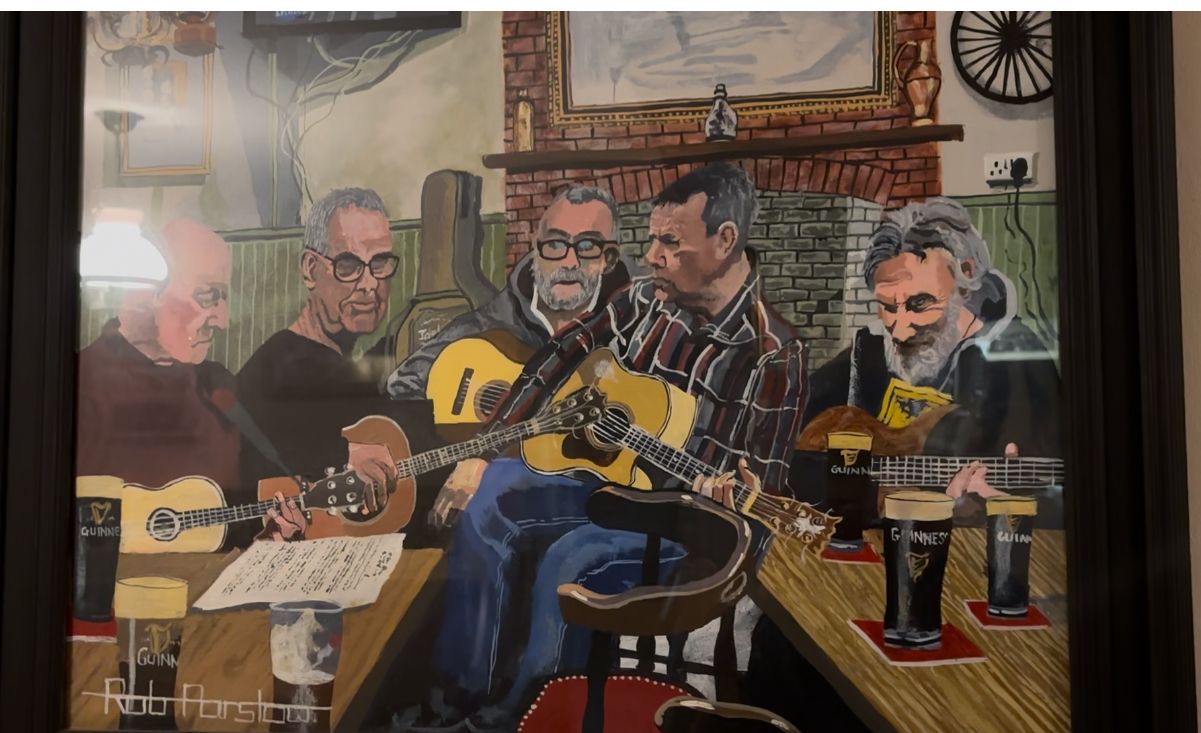
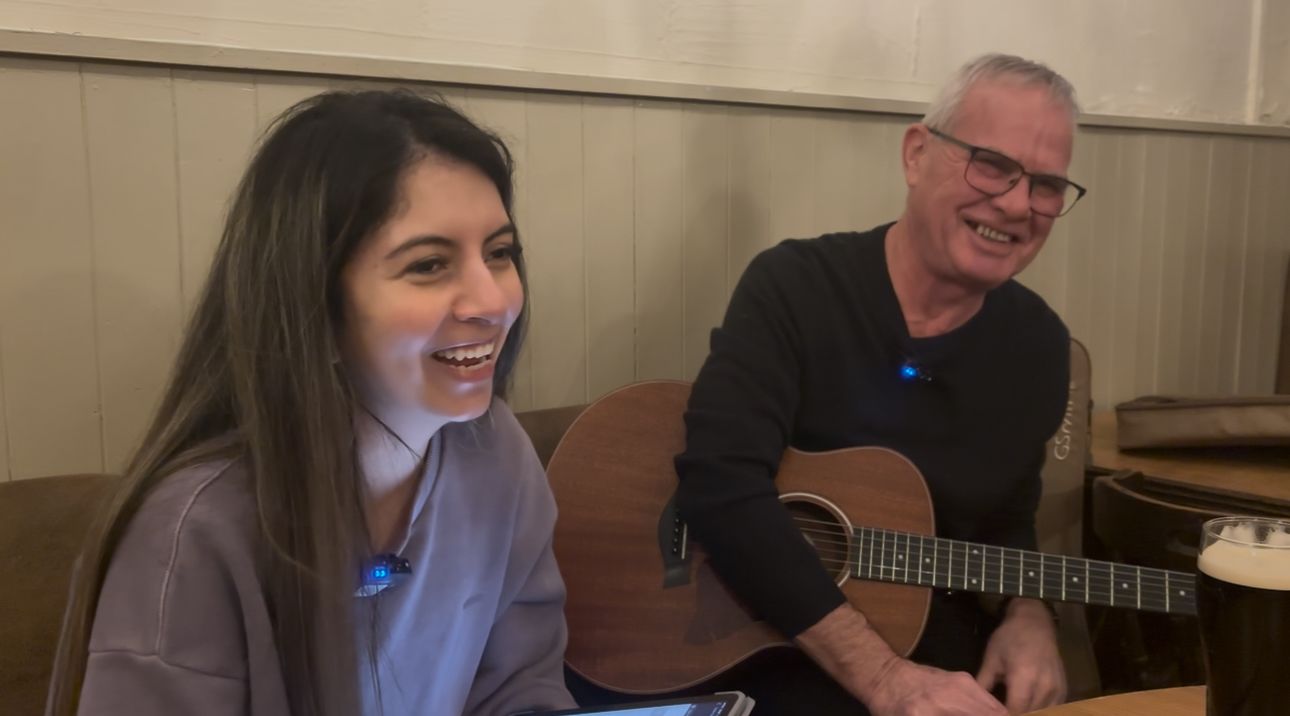
For nearly three decades, the members of the Guitar Club have gathered every Sunday night, filling the room with melodies, laughter, and shared passion. Since 1995, this group of dedicated musicians has not only honed their guitar skills but also built friendships that have stood the test of time. The club is more than just a weekly meeting; it’s a testament to how music can shape lives, keep minds sharp, and foster a sense of belonging. We spoke with long-time members Phil, David, and Steve about their experiences and the role music plays in their lives.
How has music shaped you as a person?
Phil: Music gave me the confidence to engage with others and make friends. Playing the guitar has been an incredible way to connect with people and feel part of something special. It’s not just about the notes and chords—it’s about the relationships we build through them. I’ve met people I would have never crossed paths with if it weren’t for this club, and those friendships have enriched my life beyond measure.
How has playing the guitar changed your perspective on aging?
Phil: It keeps your brain alive. Learning new songs, remembering chord progressions, and constantly challenging yourself musically keeps the mind sharp. It’s easy to think that as you get older, you stop learning, but playing guitar has shown me that there’s always room for growth. Every time I master a new piece or technique, I feel a sense of accomplishment that keeps me motivated.
Steve: The older you get, the more you realize how important it is to keep your brain working. Music forces you to think, react, and be present in the moment. It’s like a workout for the mind. I firmly believe that staying mentally active is key to maintaining a high quality of life as you age, and playing guitar is one of the best ways to do that. Plus, it’s a lot of fun!
What does it mean for you to be part of the Guitar Club on a Sunday night?
David: It’s about having a laugh with friends. We all come from different walks of life, but when we’re here, we share a common language—music. It’s a space where we can unwind, enjoy ourselves, and forget about everything else for a while. There’s something special about knowing that, no matter how busy or stressful the week has been, Sunday night is a time to reset and reconnect with friends.
How long have you been playing the guitar?
David: Since the ’90s. I picked up the guitar when I was 18, and I’ve been playing ever since. Being part of this club has helped me stay committed to music all these years. There have been times when life got in the way, and I didn’t play as much, but having this group keeps me coming back. It’s a great reminder that it’s never too late to keep learning and improving.
What do you think is the best part of the Guitar Club?
Steve: It’s a nice night out with a common interest. We all love music, and getting together to play, learn from each other, and just enjoy the moment is something truly special. Plus, there’s something about music that brings people together in a way few other things can. When you’re playing in a group, you’re not just an individual—you’re part of something bigger. The way we feed off each other’s energy and create something meaningful together is a feeling that’s hard to put into words.
Any words of wisdom for those wanting to start playing an instrument later in life?
Steve: Everything is difficult until you start doing it. Many people think learning an instrument is too hard or that they’re too old to start. But the truth is, once you begin, you realize it’s all about practice and enjoying the process. The key is to just start. Age is just a number, and music doesn’t care how old you are—it’s there for everyone. The sooner you let go of self-doubt, the sooner you’ll start experiencing the joy that playing an instrument brings.
What’s the best lesson that music has taught you?
Steve: Unity and togetherness—the power of that. Music has a way of bringing people closer, whether it’s through a shared love of a song, the experience of performing together, or simply listening and appreciating what others create. It reminds us that we’re not alone, that there’s always someone out there who understands what we’re feeling. That sense of connection is invaluable.
As the night winds down, the last few chords ring out, and the club members pack up their guitars, already looking forward to next Sunday. The Guitar Club is more than just a gathering of musicians—it’s a celebration of friendship, perseverance, and the lifelong joy that music brings. Whether young or old, beginner or experienced, one thing remains clear: the love of music never fades.



Accents, Arepas & Adaptation: A Latina Moves to the UK
Colour Piece

Accents, Arepas & Adaptation: A Latina Moves to the UK
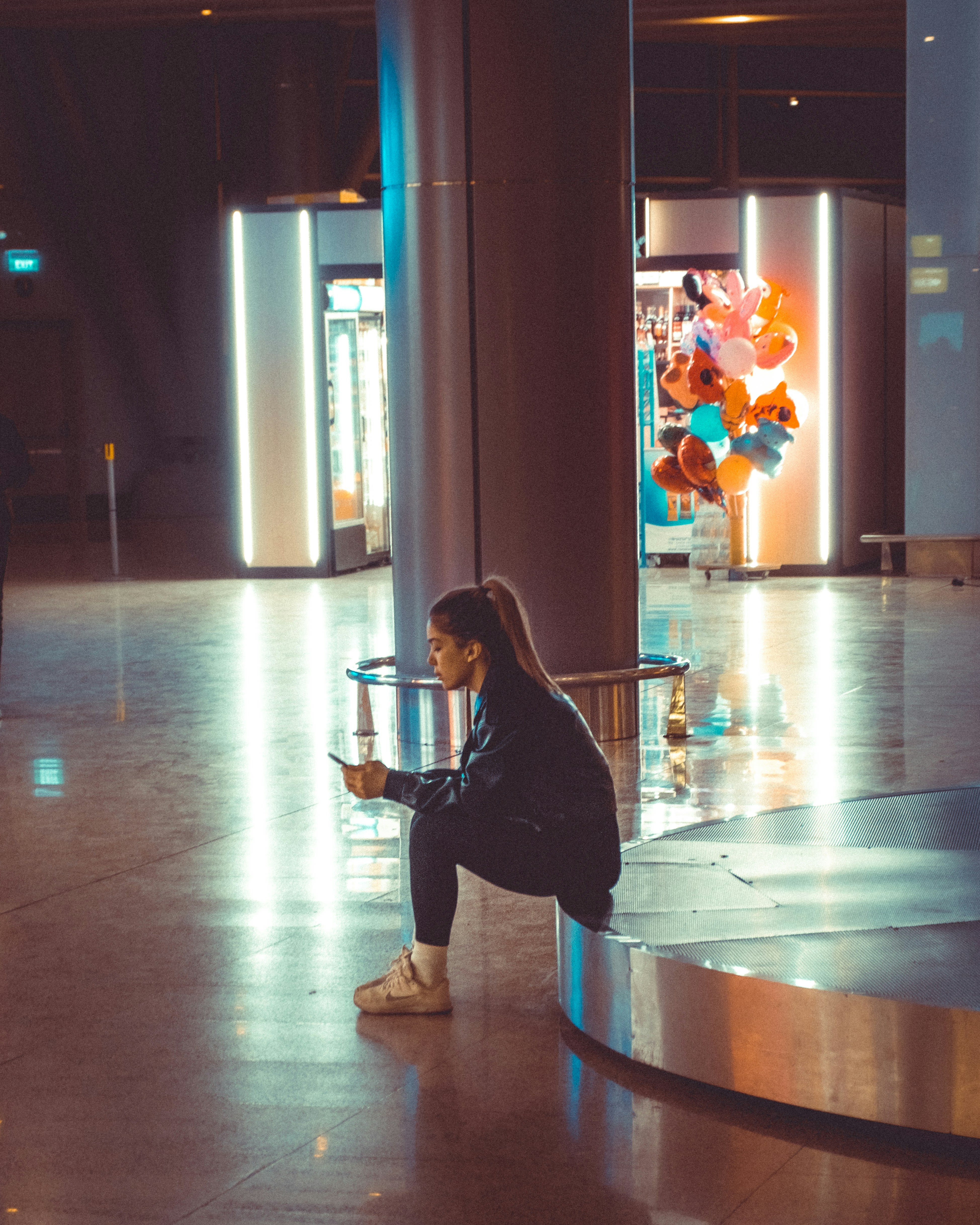
It was a night filled with both promise and uncertainty. I remember it vividly—December 22, 2016, at 8 PM. The airport was the threshold to a world that felt entirely foreign, a new chapter waiting to be written. I could still see my father’s tear-streaked face as we said our final goodbyes, a moment that played in my mind like a film reel. As I stepped into the airport, I expected to be surrounded by tall, blond, blue-eyed people, just like in the movies. While there were some who fit that image, I quickly realized that this was a place of diversity—people from all walks of life, all corners of the world, each carrying their own stories, just like me.
But London was not our final destination; it was only the beginning. My mother’s Venezuelan friend picked us up in a large black van. As I stepped outside, the cold air hit me—not colder than a Bogotá night, but crisp and unfamiliar. The sky was scattered with stars, and in my mind, I could hear Oasis’ Stop Crying Your Heart Out playing, particularly the lines: Don’t be scared, your destiny may keep you warm. All the stars are fading away, just try not to worry, you will see them someday.
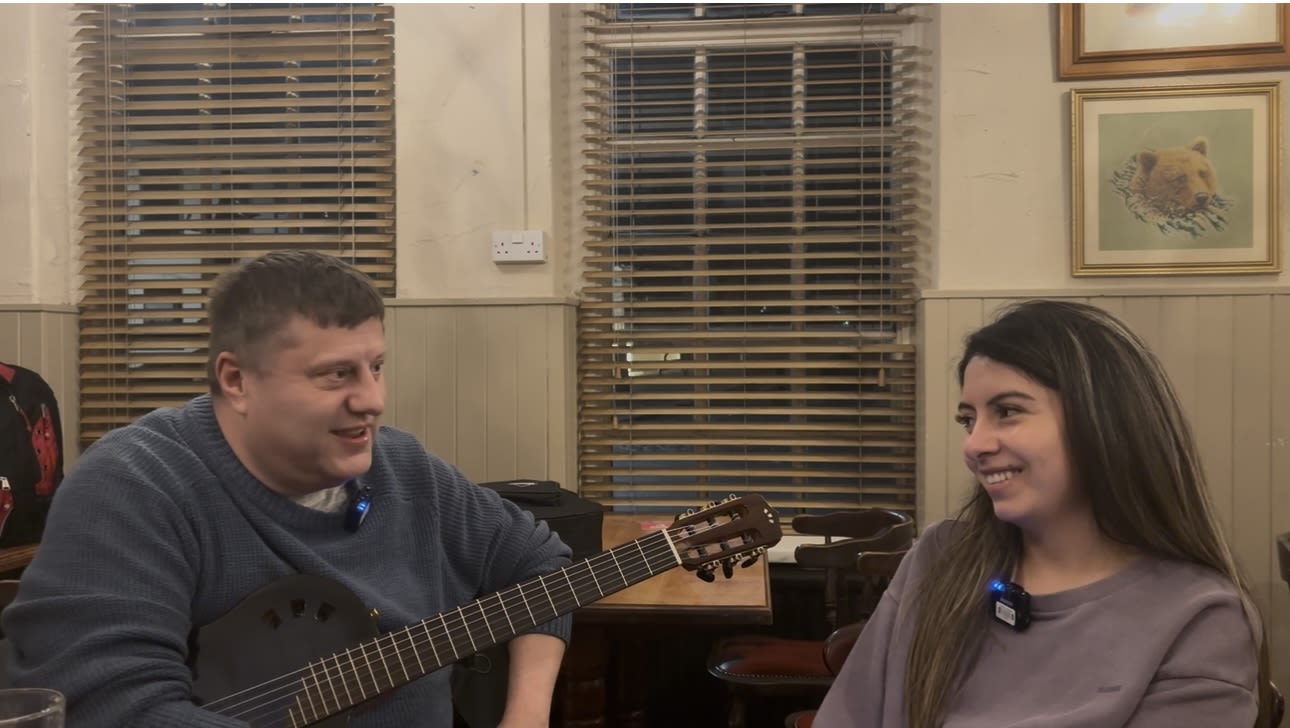
Our journey continued towards Wales, specifically a small, traditional British pub called The Bear Inn in Llantrisant, where my stepfather worked. My mother had planned to surprise him with our arrival. As we drove, I stared out the window, mesmerized by the sight of cars driving on the opposite side of the road. It seemed impossible to comprehend. Could I ever adapt to this? Would I ever feel like I belonged? I closed my eyes and took slow, deliberate breaths. My 12-year-old brother, sensing my unease, gave me a reassuring look, his small hand reaching for mine. We didn’t need words—we just knew we had each other.
The van came to a stop in a large parking lot. Confused, I looked around, wondering why we had pulled over. “Okay, kids, time for some burgers,” Tony, my mother’s friend, said in his familiar Venezuelan accent. We sat at a table, the warmth of the food offering a momentary comfort. Tony turned to me and said, “I thought you were 14. You’re almost 18?” I laughed nervously, but inside, my insecurities took hold. Did I look too young? Would I struggle to make friends? I forced a smile, but my mind was already racing.
An hour later, the van pulled up to the pub. My phone screen read 22:45. As I looked through the window, I gasped. The village surrounding us looked like something out of a fairytale—old stone buildings, winding streets, and a charm I had never seen before. It felt like I had stepped into a medieval storybook, a world of knights and castles. My awe was momentarily interrupted as we entered the pub, which was adorned with twinkling Christmas lights, casting a golden glow on the rustic wooden beams. The warmth inside contrasted with the winter air outside, and for the first time that night, I felt a flicker of excitement.
We quietly made our way to the back of the pub, hiding at a table while my mother prepared to surprise my stepfather. He was in the kitchen when he was called to check on an issue in Lounge 7. As he walked in, his eyes scanned the room. For a moment, he didn’t recognize us. Then, realization dawned on his face, and his expression turned pale as if he might faint. I held my breath, waiting for his reaction. A beat passed, then another, and finally, a wide smile broke across his face. We had made it.
But as I look in my surroundings, a new thought struck me: We’re going to live above a pub? The idea seemed surreal. I followed my stepfather upstairs, my anticipation growing. When I stepped into the room he had prepared for me, my breath caught in my throat. It was like something out of a Disney movie—the cozy furnishings, the warm lighting, and best of all, a large window with a view of the picturesque village below. It was exactly what I had always dreamed of—a place where I could sit, write, and watch the world unfold outside.
Everything in this new world smelled different, as if the crisp winter air carried a distinct scent of adventure and change. It was as if I could smell Christmas, the magic of the season wrapping around me. A surge of hope filled my chest. Life was about to give me everything my heart had longed for. Despite the fear, the doubts, and the uncertainties, I knew one thing for sure—I was ready to explore this new world and everything it had to offer.
Media Campaign
MA Visual Journalism

From Passion to Profession
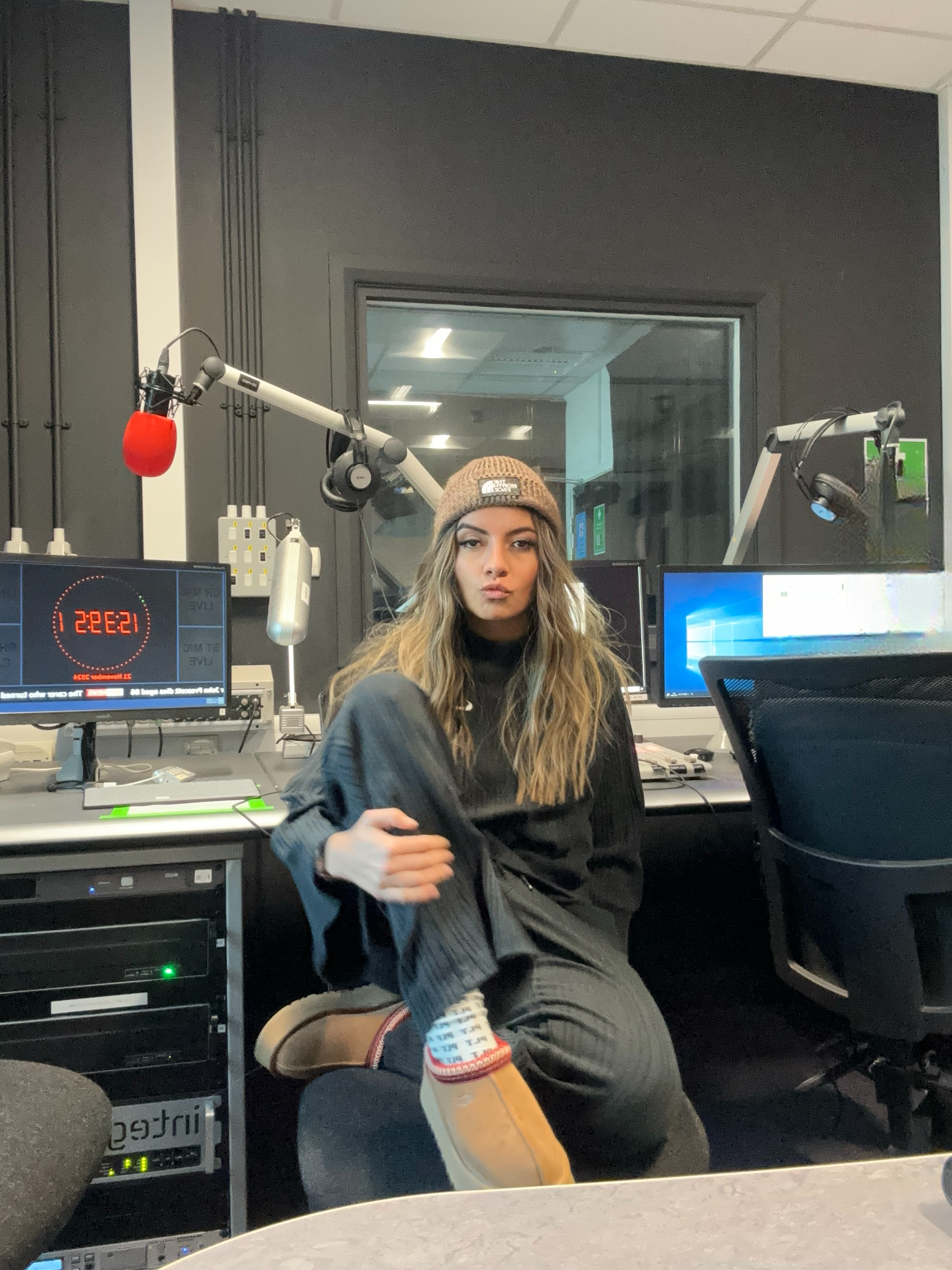
I am speaking to those who love photography, video, creativity and media and want to turn it into a career.
The world is flooded with content millions of images, videos, and stories flashing across screens every second. But in a sea of noise, only a few voices truly stand out. Are you ready to be one of them?
coming from a media and performing arts background, I have always been deeply passionate about creativity and self-expression. However, this master’s program has broadened my perspective, showing me that creativity is not just a tool for entertainment but also a powerful force for change. It has taught me how to channel my artistic instincts into meaningful contributions to society. Giving a voice to those who need it, uncovering untold stories, and driving conversations that matter.
This experience has given me a sense of purpose, reinforcing my desire to pursue a career where I can merge my creative talents with a strong commitment to truth, fairness, and accountability. It has inspired me to embrace journalism not just as a profession but as a responsibility. One that demands transparency, integrity, and a relentless pursuit of justice. I feel called to use my skills to make a real impact, to challenge narratives, and to advocate for a more informed and equitable world.
If you’re a creative thinker who wants to do more than just entertain. if you want your work to spark change, challenge perspectives, and contribute to something bigger than yourself this master’s program is for you. It goes beyond technical skills, teaching you how to harness your creativity for meaningful storytelling, investigative work, and social impact. You’ll learn how to navigate the media landscape with integrity, pursue truth with accountability, and use your voice to advocate for fairness and transparency. It’s a path to purpose. One that empowers you to shape narratives, amplify unheard voices, and leave a lasting mark.
The Master’s in visual journalism is not just a degree it’s a gateway to telling powerful, compelling, and world changing stories. Whether you’re a photographer, filmmaker, designer, or writer, this program will sharpen your skills, refine your vision, and give you the tools to turn creativity into impact.
I discovered my love for photography in this degree. My passion for writing and keeping up to date with real relevant content to make an impact in society to give a genuine opinion.
Who Is This For?
Photographers who want to move beyond aesthetics and dive into impactful storytelling.
Filmmakers & Videographers looking to master documentary-style journalism.
Writers & Reporters eager to strengthen their storytelling with visual elements.
Designers & Digital Creatives ready to bring powerful multimedia stories to life.

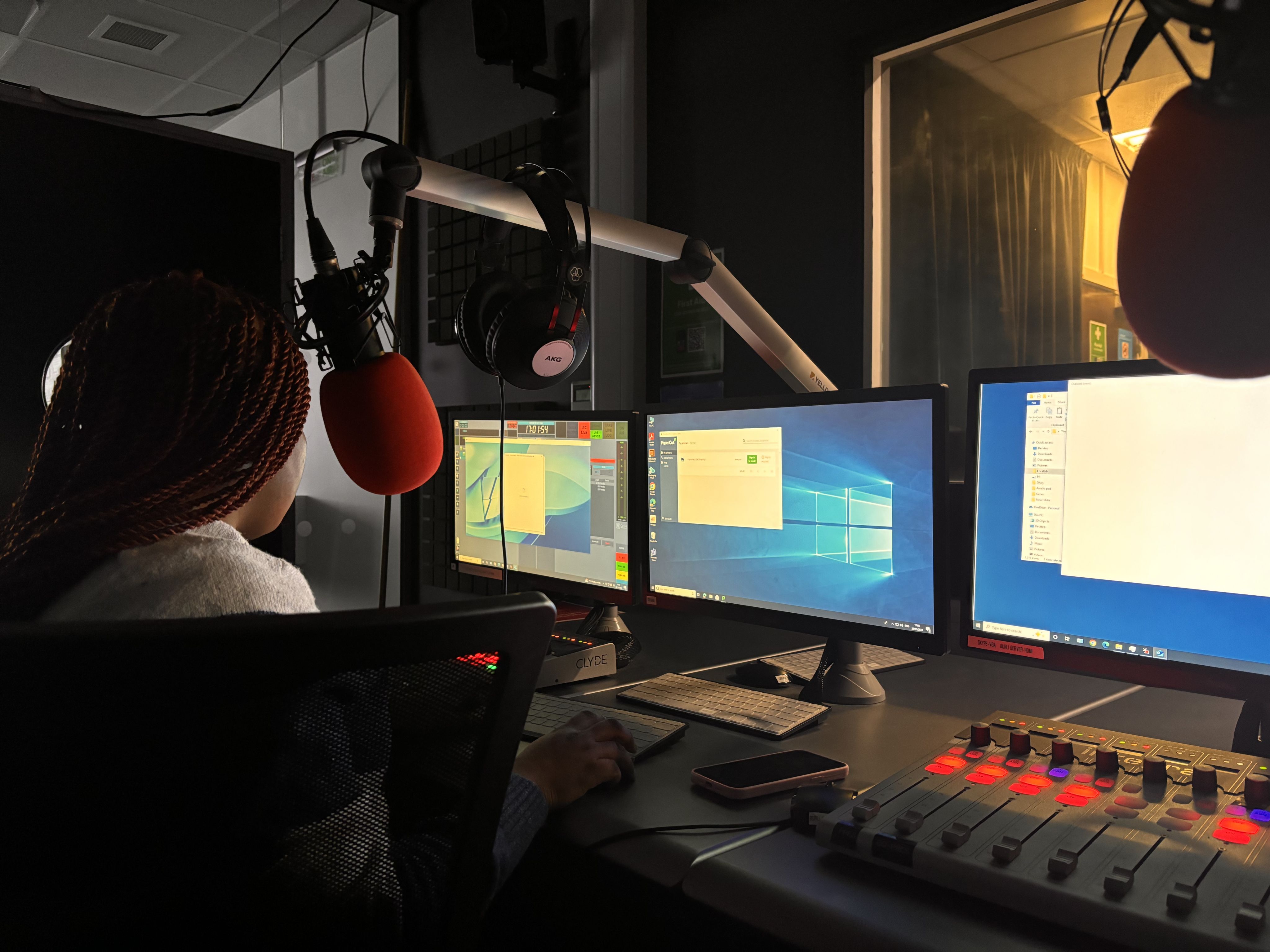

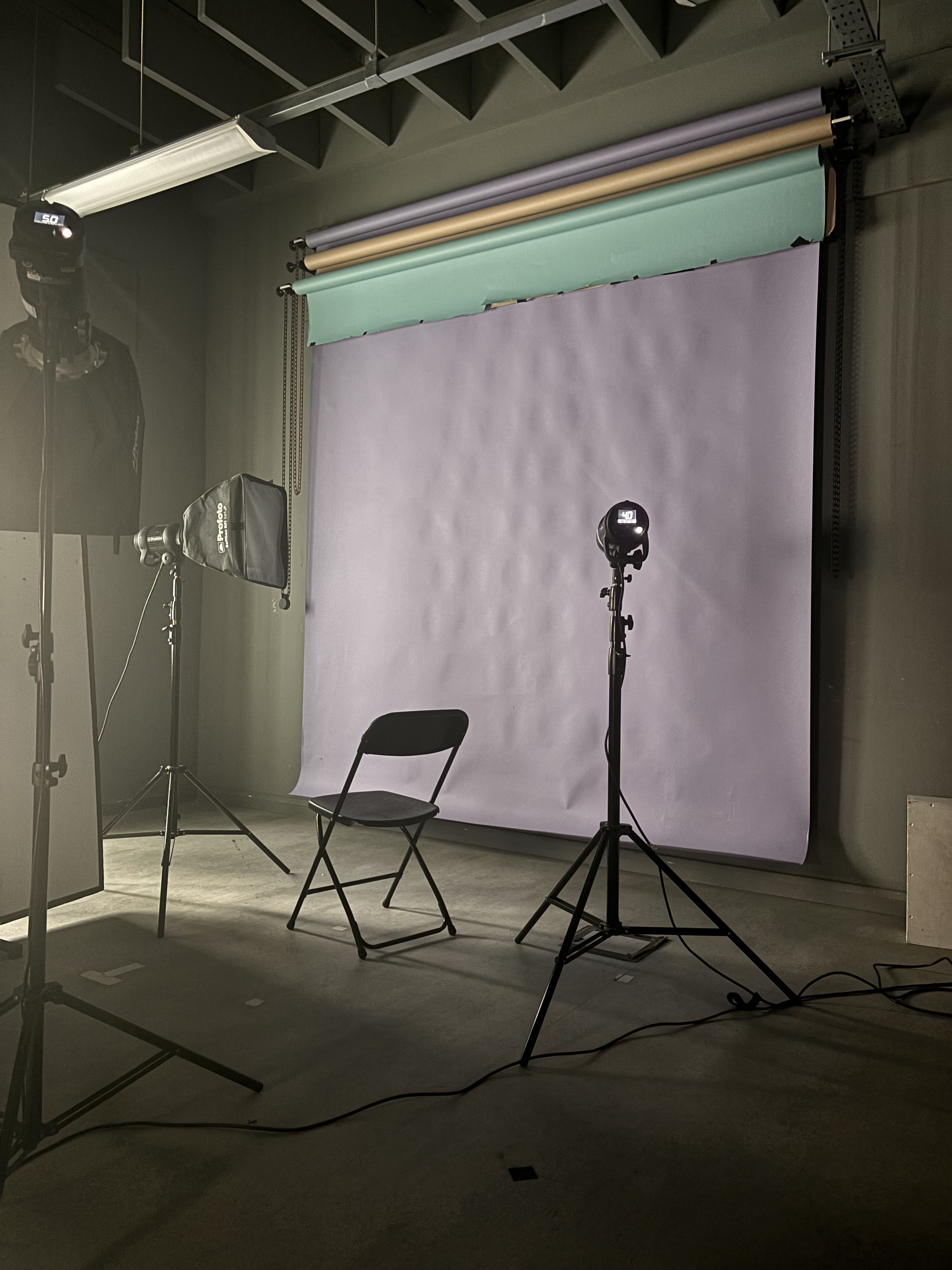

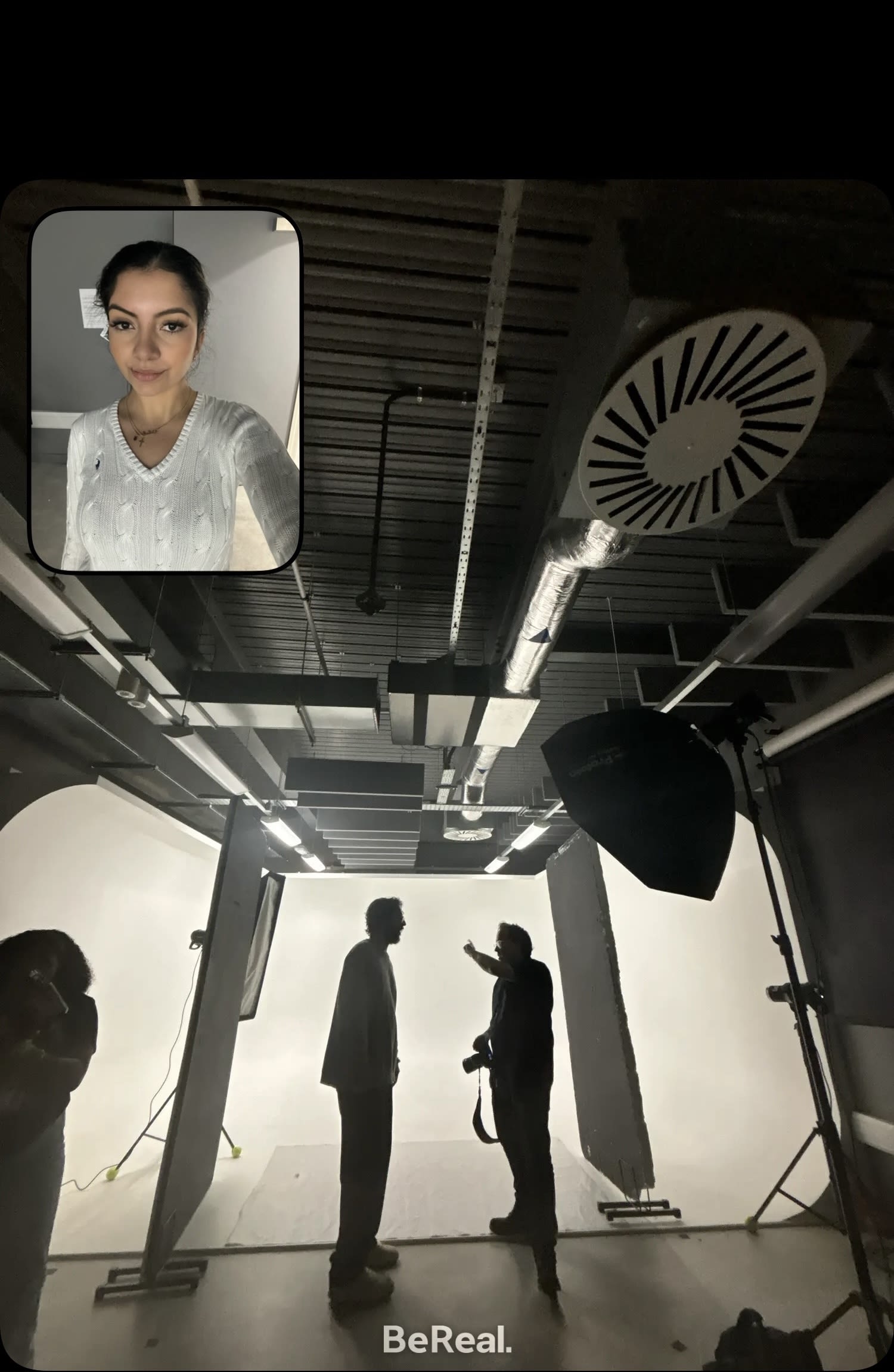
Journalism is no longer just about words. Visual storytelling is the future. From hard documentary photography to immersive video reports, the demand for visual journalists has never been greater. Newsrooms, brands, and digital platforms are searching for creators who can craft stories that make people stop scrolling and start thinking. This is your chance to become one of them.

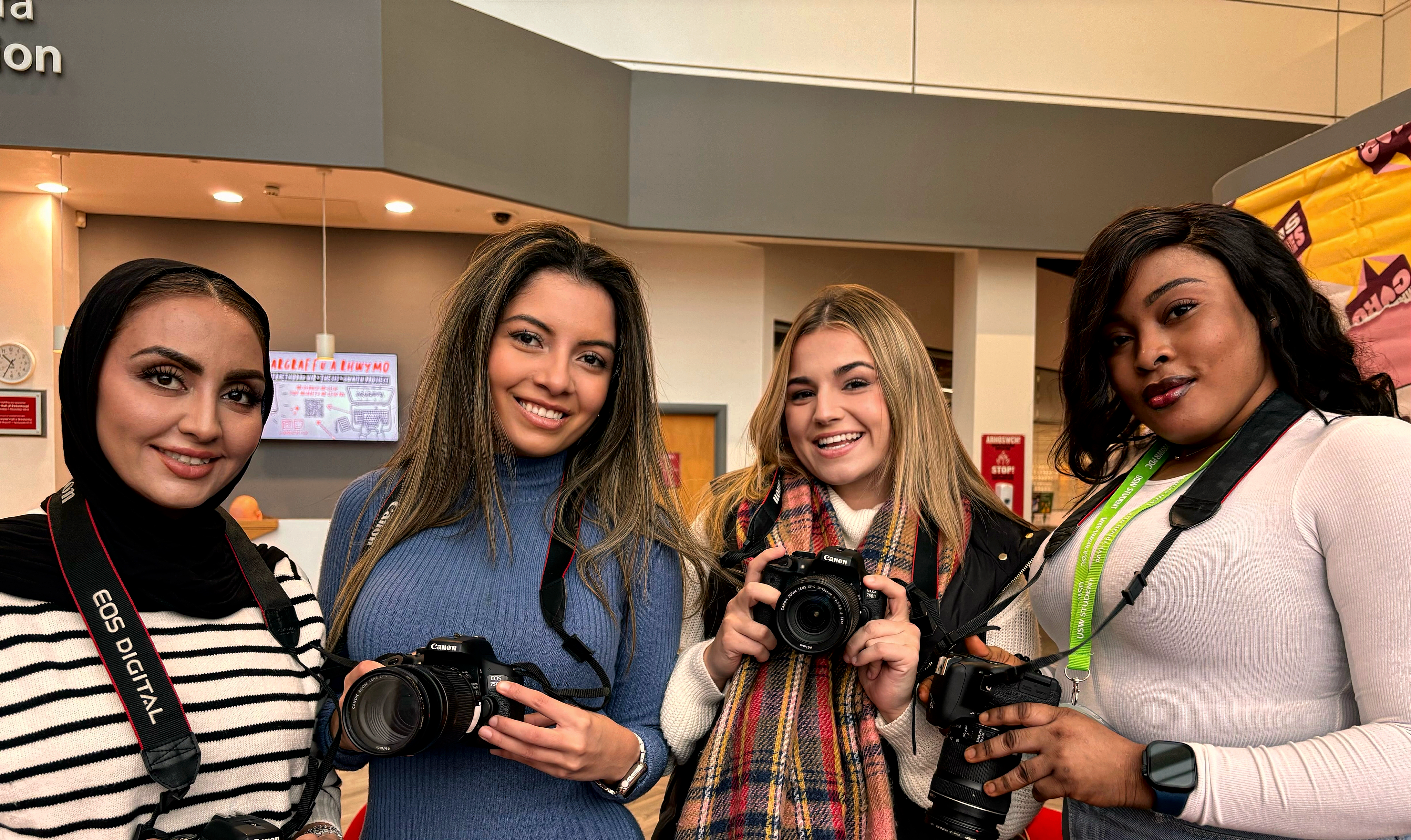
Why Now?
Because storytelling matters more than ever. In a world of misinformation and fast, forgettable content, we need journalists who are bold enough to slow down, dig deeper, and create something real.
So—will you be the one holding the camera, shaping the story, changing the world?
Apply Now | [USW MA Visual Journalism] | [Follow Us on Instagram @mavj_usw]


Brief for a broadcast interview
Valentines Day


GUEST'S VIEWPOINT:
Mr. & Mrs. [Julia and Peter] SAY:
"After 51 years together, we wanted to celebrate our love and reaffirm our commitment to each other in front of family and friends."
"You don’t stay married for 50+ years without communication, compromise, and a sense of humour!"
"We believe renewing our vows is not just symbolic; it’s a powerful statement of enduring love."
OPPOSING VIEWS:
Some relationship experts suggest vow renewals may not be necessary, as marriage is an ongoing commitment rather than something that needs to be reaffirmed.
Critics argue that lavish vow renewal ceremonies can be costly and put unnecessary pressure on couples.
Others believe that celebrating milestones in private rather than with a public ceremony keeps the focus on the relationship rather than the event itself.
EXPERT STATEMENTS:
Dr. Emily Carter, Relationship Psychologist:
"Vow renewals can be meaningful rituals that help couples reflect on their journey and set intentions for the years ahead."
"For some, it serves as a fresh start after overcoming challenges; for others, it’s a way to celebrate longevity in love."
Sociologist Dr. James Mitchell:
"The way we perceive marriage has evolved, but long-term commitment remains a deeply valued institution."
"Vow renewals have become more popular, as they allow couples to personalize their commitments outside of traditional wedding norms."
BACKGROUND COPY:
Valentine's Day, celebrated on February 14th, is rooted in both Christian and Roman traditions, evolving into a global day of love and appreciation.
Vow renewals have increased in popularity, particularly among couples celebrating milestone anniversaries.
While some choose private ceremonies, others opt for elaborate events with friends and family, mirroring wedding celebrations.
Studies show that long-lasting marriages often share key traits: mutual respect, shared values, and effective communication.
The trend of vow renewals reflects a broader cultural shift toward celebrating relationship milestones in a personal and meaningful way.
ADDITIONAL TALKING POINTS:
The role of tradition vs. modern relationships are vow renewals becoming the new norm?
How younger generations view marriage and long-term commitment.
The impact of social media on relationship milestones do public declarations of love add pressure?
Advice from the couple: What they’ve learned in 51 years of marriage and their hopes for the future.
The significance of marking anniversaries do rituals like vow renewals strengthen relationships?



A Historic Pub that has stood for centuries is set to close, marking the end of an era for the town.


Historic Welsh Pub Faces Closure After Centuries of Service
A beloved Welsh pub that has stood the test of time for centuries is now facing its final last orders. The Cross Keys Hotel, a landmark in the heart of Llantrisant’s High Street, could soon lose its historic status as a public house, with plans underway to transform it into office space.
The pub, which has been pouring pints since the 18th century, holds one of its earliest recorded licences from 1791.
Residents have expressed their deep disappointment and frustration upon learning that their cherished village pub, a cornerstone of the community for generations, is set to be transformed into office space. Many locals see the Cross Keys Hotel as more than just a place to grab a drink; it has long been a social hub, a gathering spot for friends and neighbours, and a symbol of Llantrisant’s rich history. The prospect of losing such a beloved establishment has sparked concerns that yet another piece of the town’s heritage is being erased in favour of modern developments.
Gareth Milton posted on Facebook encouraging people to stop this from happening.
“Anyone who is opposed to The Cross Keys in Llantrisant being converted to offices by Town Garage please follow the link and OBJECT!
The current tenants also shared their discontent:
As a resident of Llantrisant, I strongly oppose the application to convert The Cross Keys, an 18th-century pub in Llantrisant, into offices. This lovely, welcoming hub is central to our community and vital for social connection. Changing it to offices would harm local culture and worsen parking issues. Llantrisant needs to protect spaces that bring people together and support its vibrant community. Losing this historic pub is unacceptable. I urge you to reject this proposal and preserve our town’s heritage, identity, and social fabric.
Please come and see a member of the team at the bar to register your signature and let’s get behind saving this historic landmark within the town. We need everyone who is against the change of use to come and get your signature on the petition for the Cllr to put forward to RCT planning.
Reviews

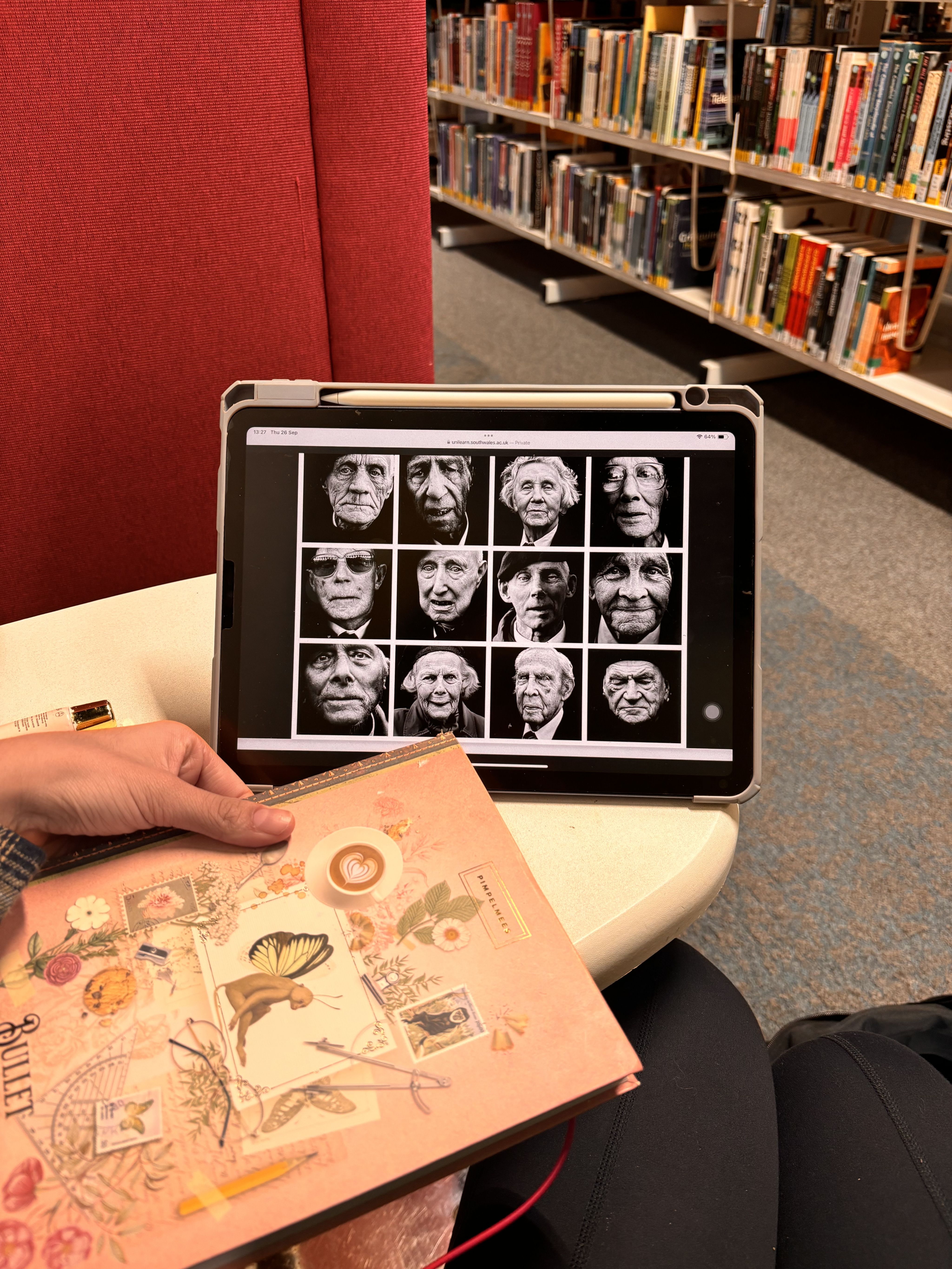


Timed Lock Box for Smartphones – Does It Truly Curb Phone Addiction?
Would limiting access to your phone for a set period reduce your dependence on it, or would you binge on it once the restriction lifts?
Today, I’m reviewing a product I purchased a few months ago, designed to combat phone addiction by allowing users to focus entirely on their tasks. This compact, black lockbox is highly portable and enables you to set a custom lock duration in hours or minutes. Once the time expires, it automatically rings and unlocks. Interestingly, the version I bought via Instagram permits answering calls—it features a small opening at the bottom, allowing limited access for this purpose.
I decided to invest in this product due to my growing reliance on social media. By physically preventing access to my phone, it effectively eliminates temptation, making it impossible to check notifications impulsively.
Several aspects stood out to me. The battery life is impressive, lasting over five days on a single charge—no exaggeration. It’s lightweight, portable, and once locked, there’s no way to reopen it prematurely. However, I did once accidentally lock my phone for eight hours on a university day, which was far from ideal.
If you prefer to address your phone addiction without spending money, consider utilizing the built-in Screen Time features on your iPhone. Navigate to Settings > Screen Time to set app limits and schedule downtime. For example, you can establish a daily restriction on social media usage and designate specific hours—such as 10:30 PM to 12:30 PM—during which these apps are inaccessible. This structured approach can help reduce screen time and encourage healthier digital habits.
Overall, I find the product useful and continue to use it. That said, I believe it is slightly overpriced—I paid nearly £50, whereas more affordable alternatives are available on Amazon. While the lockbox functions as promised, it does not resolve the deeper issue of social media addiction. Despite its effectiveness in aiding concentration, I still struggle with my dependence on social media. If you would like to go for my cheapest option try setting limits for your apps and downtime on your phone.
Welcome to Earth Review – A Newfound Love for Nature and Exploration
Watching Welcome to Earth awakened a deep appreciation in me for the beauty of nature, the wonder of wildlife, and the resilience of real people. This documentary not only showcases breathtaking landscapes and extraordinary creatures but also highlights the human spirit in the face of nature’s extremes. It was through this series that I truly discovered my love for observing the natural world, its inhabitants, and the incredible stories that unfold within it.
Despite its Hollywood flair, Welcome to Earth does offer moments of awe-inspiring beauty and insight. While it doesn’t dive deep into scientific explanations like an Attenborough documentary, it thrives on emotion, adventure, and personal discovery. Smith’s charisma and vulnerability make him an engaging guide, and the diverse team of experts add depth to the journey—though at times, the storytelling leans more toward spectacle than substance.
If you’re looking for a visually stunning, emotionally driven exploration of our planet, this series delivers. But if you crave in-depth scientific analysis, you may find yourself longing for something a bit more grounded.
I wouldn’t call myself an expert on nature documentaries or National Geographic programs, but I must admit that this one reignited a long-forgotten passion for animals, nature, and our planet. Watching series like this makes me feel a deep sense of humility, reminding me of the importance of preserving these natural wonders and caring for the incredible world we've been entrusted with.
As a longtime fan of Will Smith, I admire the passion and depth he brings to everything he does, and this project is no exception. The cinematography is breathtaking, with stunning visuals that truly capture the beauty of our planet. The first season is available on Disney Plus, and if you have a love for nature, I highly recommend giving it a watch.


Opinion piece
Fast Content, Slow Death: "The era of meaningful storytelling is dying."

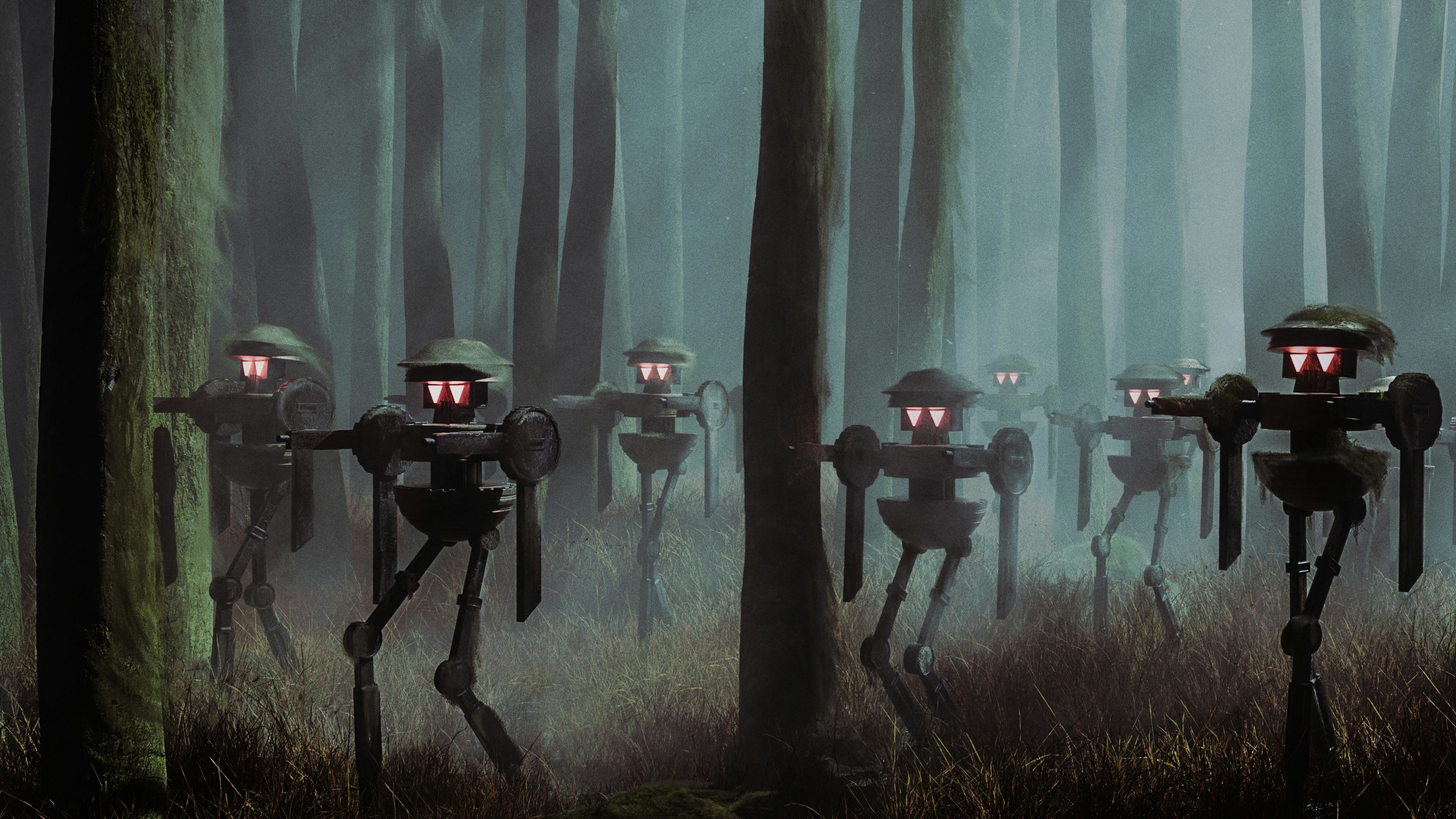
I used to spend hours lost in a good movie—now, I can barely sit through one without checking my phone. And I Know I am not alone.
We are addicted to speed—speed in consuming information, speed in entertainment, speed in everything we do. In this relentless demand for instant gratification, storytelling, creativity, and even our mental well-being are being sacrificed. Content creators feel immense pressure to churn out new posts every day, afraid they’ll be forgotten if they take time to craft something meaningful. But how can quality storytelling survive when it's forced into a 30-second video or a rushed, thoughtless post?
The consequences of this digital overload are alarming. Mental health issues, particularly among young people, have skyrocketed. Since the rise of smartphones, depression in adolescents has increased by 52%, and suicidal thoughts in young adults have surged by 47%. Child suicide rates have climbed by 150%, and self-harm among girls aged 10 to 14 has nearly tripled. The connection is undeniable social media, and the constant flood of instant content are rewiring our brains, eroding our attention spans, and leaving us in a constant state of anxiety.
Some argue that technological advancement is essential for progress. But at what cost? Are we evolving, or are we simply turning into machines, conditioned to consume, react, and move on without reflection?
We need to reclaim our ability to slow down. We need to protect cinema, long-form journalism, and meaningful storytelling. If we don’t, we risk losing more than just great art—we risk losing our ability to think critically, feel deeply, and truly engage with the world around us.
The question isn’t whether we can keep up with this rapid-fire content cycle. The question is: Should we.

 Built with Shorthand